Unpacking the Urgent Press Conference: Geopolitics and Global Markets Collide
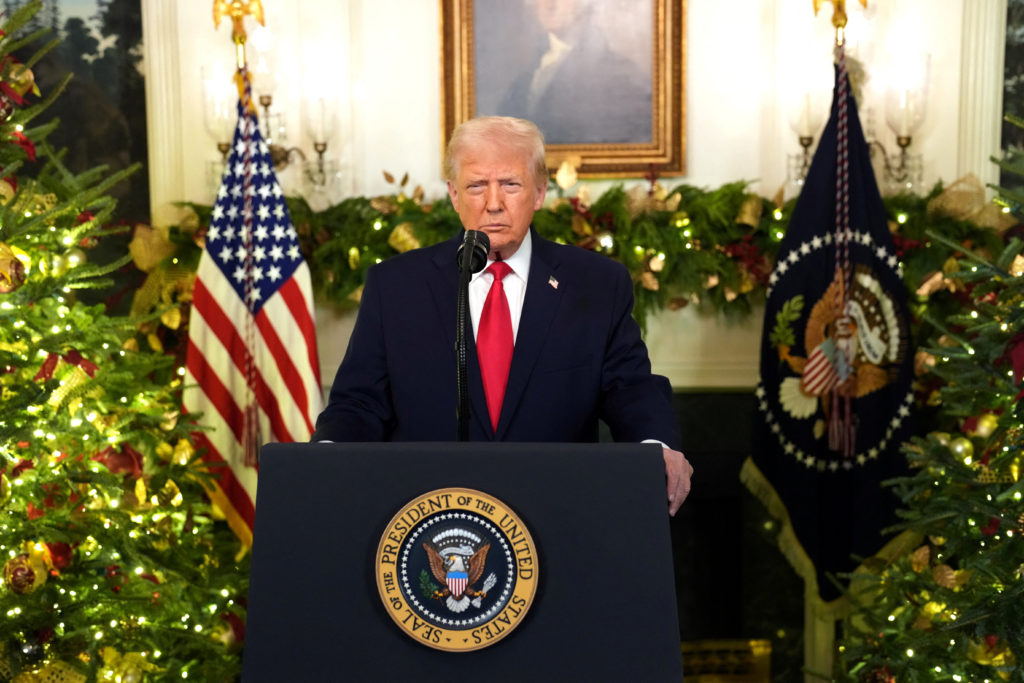
For those eagerly searching Trump Pressemøde I Dag Live (Trump Press Conference Today Live), President Donald Trump indeed delivered a pivotal address from his Trump National Doral resort in Florida on March 9, offering crucial updates on the escalating Iran conflict and pressing US national security concerns. The event, strategically scheduled for 5:30 p.m. ET, shortly after the U.S. stock market closed, underscored the gravity of the issues at hand, from soaring oil prices to heightened tensions in the Middle East.
In a dynamic global landscape, presidential press conferences serve as critical junctures for direct communication, setting policy tones, and reassuring the public. This particular address was highly anticipated, not least because of Trump's pre-conference remarks on Truth Social, where he stated, "Many important meetings and phone calls taking place today," hinting at significant developments behind the scenes. The world tuned in to gauge the administration's resolve and strategy amidst a volatile period.
The Looming Shadow of the Iran Conflict
The backdrop to President Trump's statements was a rapidly intensifying conflict with Iran, described as a "10-day-old war" in the lead-up to the conference. This period had already seen significant escalation, including attacks on international shipping and a crucial shift in Iran's leadership. Over the weekend preceding the press conference, Iran named Mojtaba Khamenei, son of the late Ayatollah Ali Khamenei, as the country's new supreme leader. This appointment marks a generational shift in Iranian power, potentially signaling a more hardline stance or, conversely, an opportunity for new diplomatic avenues, though the immediate interpretation leaned towards increased regional volatility.
The conflict's immediate flashpoint remained the Strait of Hormuz, a vital maritime chokepoint for a significant portion of the world's oil supply. Reports of attacks on several vessels near the Strait, for which Iran had taken responsibility, painted a stark picture of the dangers to international shipping. Despite these alarming developments, Trump asserted that the U.S. had "virtually all" of Iran's mine ships destroyed overnight, a claim designed to project overwhelming American military superiority and deter further aggression. For a deeper dive into these initial developments, you can read more about Trump's Press Conference Today: Iran War & Soaring Oil Prices.
Economic Volatility: Oil Prices, Gas Pumps, and the Strait of Hormuz
One of the most immediate and tangible impacts of the Iran conflict on American citizens, and indeed the global economy, has been the dramatic surge in oil prices. On the morning of March 9, Brent crude, the international benchmark, briefly touched $119.50 per barrel, its highest level since 2022, before settling near $103. West Texas Intermediate (WTI), the U.S. crude standard, hovered around $101 per barrel. This spike translated directly to the pumps, with the average U.S. price for gasoline reaching $3.50.
Addressing these economic ripples, President Trump notably dismissed the higher gas prices as "a small price to pay" in a Monday morning social media post. This statement, while controversial, underlined the administration's perceived prioritization of national security and geopolitical strength over short-term economic comfort. Such rhetoric often aims to rally public support for assertive foreign policy actions, framing economic discomfort as a necessary sacrifice for greater strategic objectives.
The Strait of Hormuz: A Strategic Lifeline
The Strait of Hormuz remains unequivocally critical to global energy security. Connecting the Persian Gulf with the Arabian Sea, it is the only sea passage from the Persian Gulf to the open ocean, making it a pivotal route for oil tankers transporting crude oil from major producers like Saudi Arabia, Iran, UAE, Kuwait, and Iraq. Any disruption in this narrow waterway has immediate and far-reaching consequences for global oil supplies and prices.
Despite Iran's Revolutionary Guard threatening to attack Western ships and recent incidents, including a container ship being hit and evacuated, President Trump emphatically urged oil tankers to continue using the Strait, insisting it was safe. He claimed that the U.S. had "destroyed virtually all their mineships in the course of one night. Pretty much their entire fleet is gone." This bold assertion aimed to project confidence in the U.S. military's ability to safeguard international navigation, even as analysts cautioned about the persistent threat of asymmetric warfare and the potential for Iran to retaliate through other means. The interplay of these statements and actions carries significant weight for global trade and geopolitical stability. For further insights into the economic repercussions and naval actions, explore Trump on Iran: US Action in Hormuz Strait, Oil Price Impact.
National Security Reassurances: Mitigating Domestic Concerns
Beyond the immediate military and economic concerns abroad, a significant component of President Trump's address focused on domestic national security. Responding to journalists at the White House (following his Doral appearance), he stated that he was "not worried" about Iranian-backed attacks on American soil. This reassurance aimed to alleviate public anxiety and project an image of robust defensive capabilities and intelligence superiority.
Such a statement from a commander-in-chief is designed to bolster public confidence, but it also carries the weight of responsibility. It implies a high degree of certainty in the intelligence community's assessment of threats and the readiness of national security agencies. In volatile times, maintaining a calm and confident demeanor is crucial for leadership, even as the underlying realities may be complex and fraught with potential dangers. The administration's focus, therefore, was not only on demonstrating military might in the Gulf but also on emphasizing the resilience and security of the American homeland.
Deeper Dive: Analyzing the Rhetoric and Future Outlook
President Trump's press conference was a masterclass in direct and often provocative communication, characteristic of his leadership style. His use of platforms like Truth Social for preliminary remarks, followed by a formal press conference, allows for a multi-layered communication strategy that directly engages his base while informing the broader public and international community. The "small price to pay" comment, while drawing criticism, also served to frame the conflict as a necessary stand, potentially preparing the public for further economic impacts.
The implications of this heightened tension with Iran are multifaceted. On one hand, the assertive U.S. posture, including claims of dismantling Iran's naval mining capabilities, could act as a deterrent, preventing larger-scale aggression. On the other hand, such aggressive rhetoric and military actions always carry the risk of miscalculation or unintended escalation, especially in a region as historically volatile as the Middle East. The naming of Mojtaba Khamenei as Supreme Leader adds another layer of unpredictability, as new leadership often seeks to establish its authority through decisive, and sometimes provocative, actions.
For citizens, understanding these dynamics means looking beyond initial headlines. It involves recognizing the intricate web of geopolitical interests, economic pressures, and historical grievances that shape international relations.
- Stay Informed from Multiple Sources: Rely on reputable news organizations that offer diverse perspectives and in-depth analysis beyond soundbites.
- Understand Economic Linkages: Recognize how conflicts far away can directly impact your wallet, especially through energy prices.
- Evaluate Rhetoric Critically: Discern between political posturing intended for specific audiences and factual intelligence assessments.
Conclusion
President Trump's March 9 press conference provided a critical snapshot of the administration's approach to the escalating Iran conflict and its ripple effects on national security and global markets. From bold claims regarding the destruction of Iranian naval assets to reassurances about domestic safety, the address aimed to project strength and resolve. However, the underlying tensions, highlighted by soaring oil prices and the ongoing fragility of the Strait of Hormuz, underscore the volatile nature of the situation. As the world navigates these complex geopolitical currents, vigilance, informed analysis, and a nuanced understanding of international affairs remain paramount for citizens and policymakers alike. The future trajectory of the Iran conflict and its broader implications will continue to be a defining challenge on the global stage.